Press Release from Club OHADA Paris
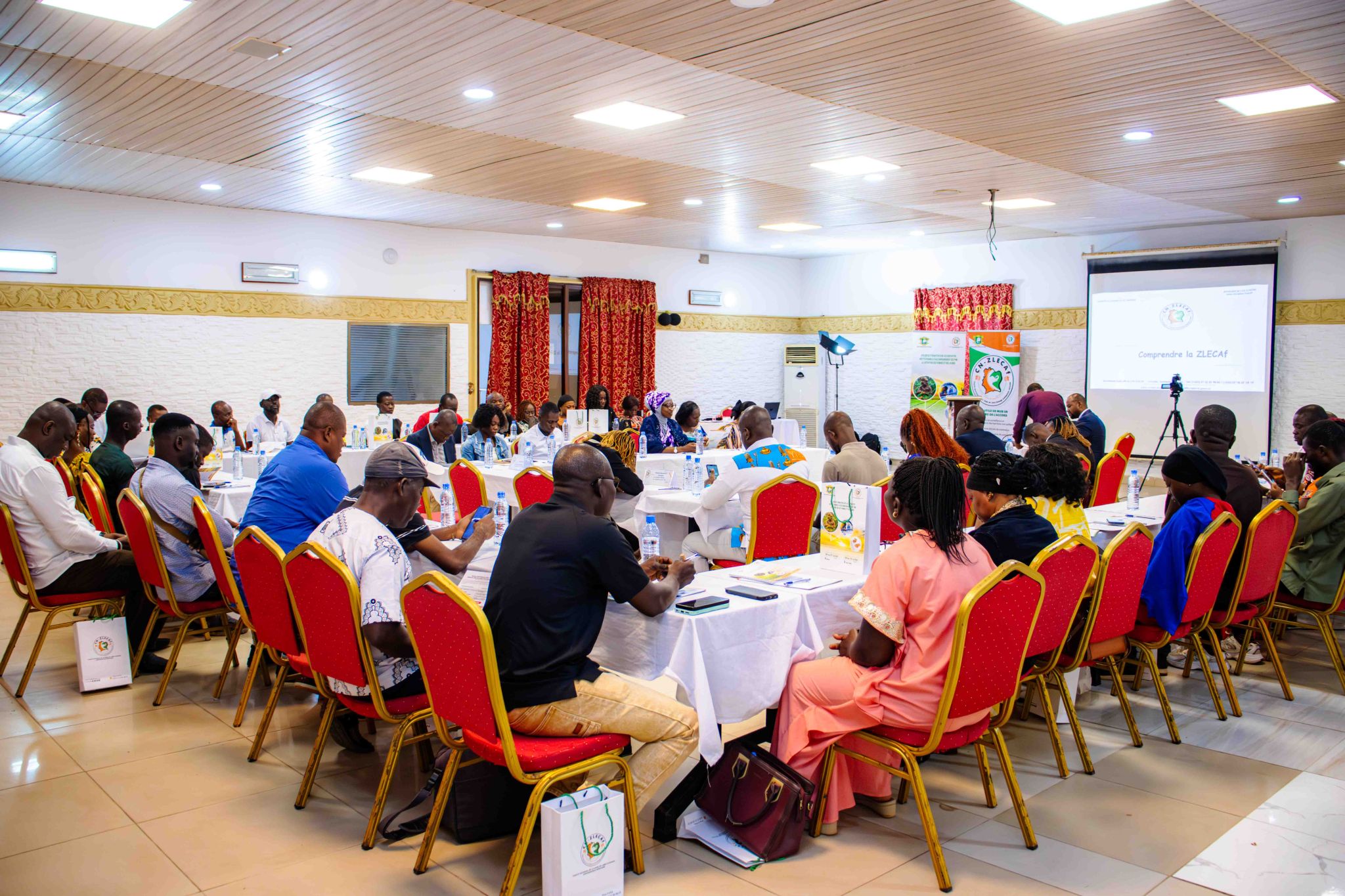
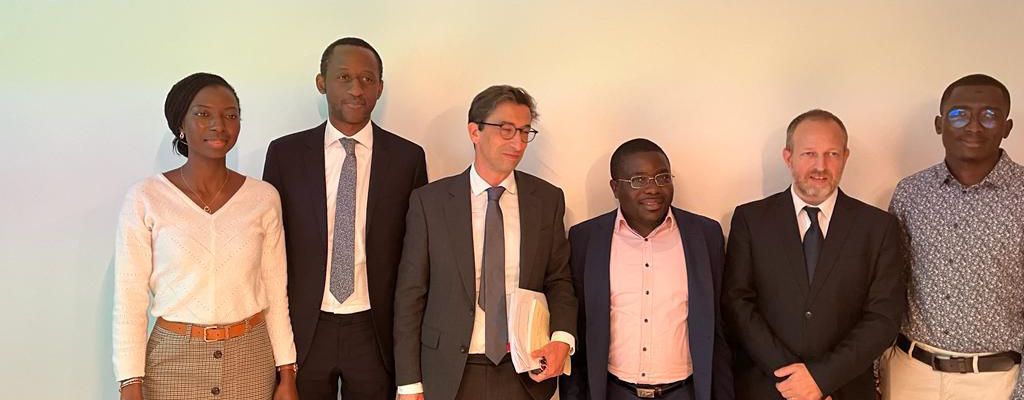
Club OHADA Paris organised its first conference of the year on Wednesday 23 November 2022 at Bird & Bird (2 rue de la Chaussée d'Antin, 75009 Paris), which was attended by a large number of online participants and around fifty people on site. The theme was OHADA and the African Continental Free Trade Area (AfCFTA). The COP was moderated by Boris Martor, Partner at Bird & Bird, and featured four speakers in succession:
- Emmanuel Douglas Fotso, Doctor of Law, Lawyer and Chairman of LegiAfrica;
- Raphael Tiwang Watio, Lawyer (Paris and Cameroon Bars), Touzet Associés;
- Stéphane Mortier, Doctor of Management Sciences, Panthéon-Sorbonne University;
- Alain Feneon, ICSID, ITC and CCJA arbitrator and CEDR-certified mediator.
The conference began with a presentation of the current members of the COP and a call to join the COP. The moderator then took the floor to present the AfCFTA and the importance of the conference theme, before giving the floor to each speaker. He emphasised the importance of the AfCFTA for Africa, and the specific economic and demographic importance of this free trade area, which brings together almost all African countries.
The first speaker was Emmanuel DOUGLAS FOTSO, who spoke on "The scope of the AfCFTA in the OHADA area: from legal integration to legal & Trade integration".
This theme deals in depth with the relationship between the AfCFTA treaty and 'micro' free trade areas. The African Continental Free Trade Area (AfCFTA), set up by the African Union, intends, for the time being, to build on the free trade areas currently existing in Africa in order to expand and eventually become the single African market and the largest free trade area in the world with 54 member states. The OHADA area would then move from legal integration to legal and commercial integration, with a single market and harmonised business law.
The second speaker, Stéphane MORTIER, addressed the topic of "Regional economic organisations: assets or constraints for the AfCFTA".
He presented the African sub-regional economic organisations and the way they operate. He noted, however, that the proliferation of these organisations, to which the same states belong, was inefficient. In addition, there is the question of how these areas fit in with the linguistic and systemic differences between African states. He therefore presented his own ideas, which would involve creating an integration zone, inspired by the best legal systems, and with due regard for African diversity.
The third speaker, Raphael TIWANG, spoke on "The dispute settlement mechanism of the Agreement establishing the AfCFTA". This was an opportunity to present not only the operating mechanism of the AfCFTA, but also the dispute resolution mechanism, which is eminently amicable. Indeed, the treaty promotes and encourages the amicable resolution of disputes between AfCFTA member states, with a cumbersome and lengthy procedure that is, in most cases, ineffective, since there is no mechanism for monitoring the agreements resulting from conflict resolution. In addition, the AfCFTA only settles disputes between member states, to the exclusion of private individuals. There is therefore an urgent need to amend these mechanisms in depth to make them more effective.
Lastly, Alain FENEOM spoke about "OHADA's contribution to AfCFTA". This topic is a continuation of the one addressed by Mr. FOTSO, since if OHADA is effective, it could be a source of inspiration for the AfCFTA, particularly from a judicial and legal point of view.
Following these rich exchanges, the participants, who were very interested, continued with pertinent questions relating in particular to the contribution of the AfCFTA on customs duties and the free movement of people and goods. Concerns were also expressed, all in the hope of improving this nascent and faltering organisation.
Credit: OHADA.COM