
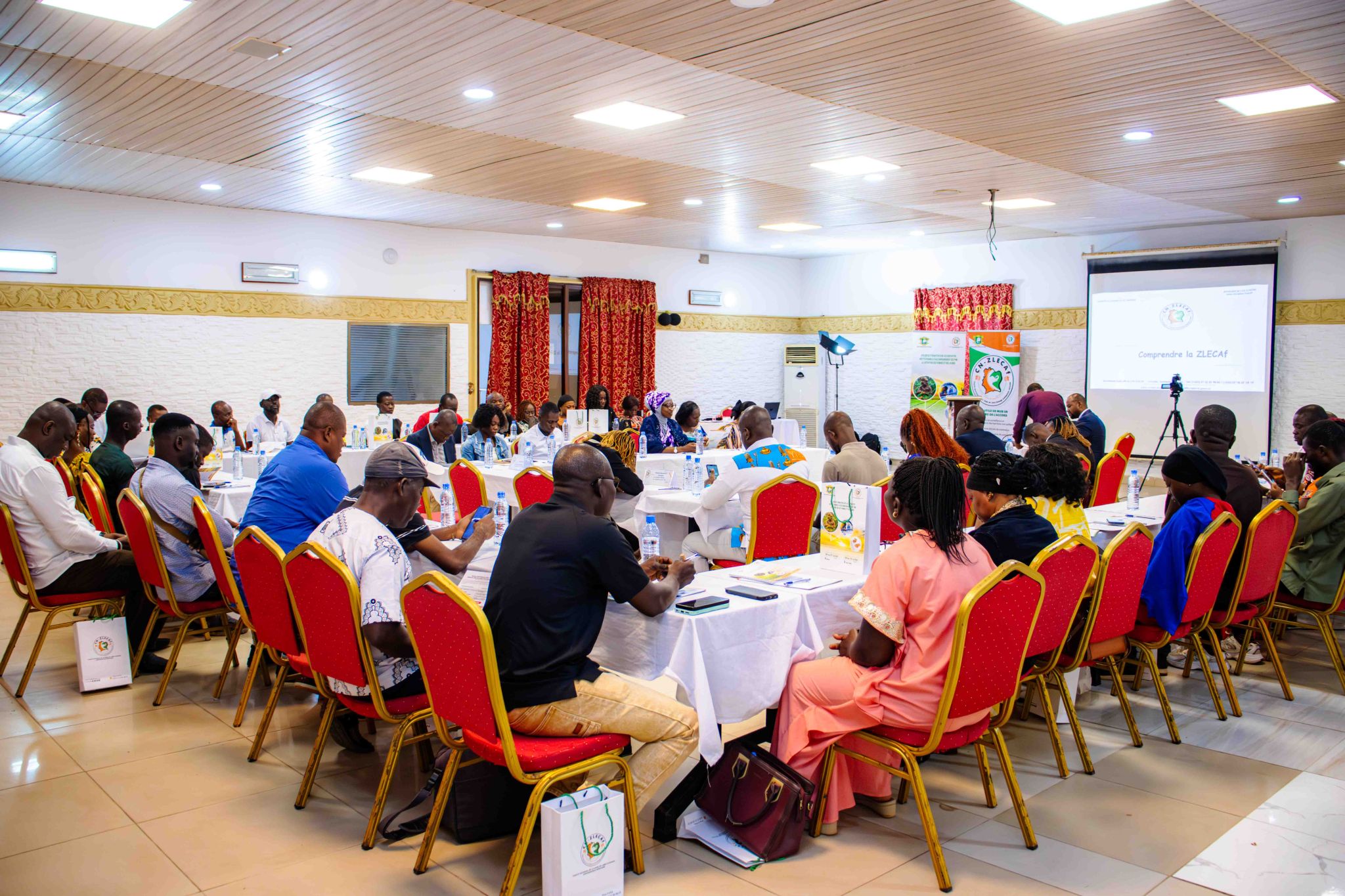
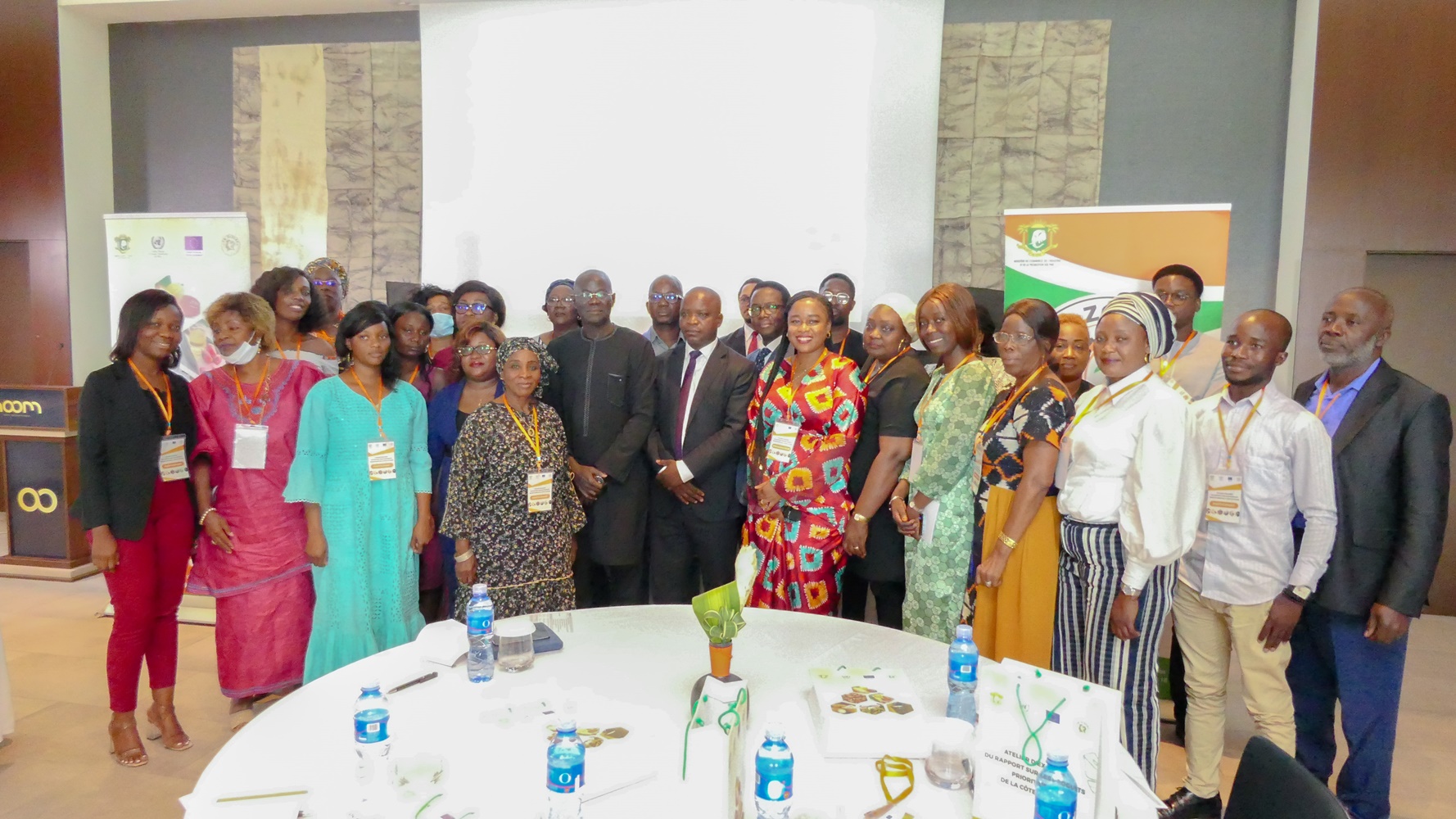
Abidjan, 29 November 2022 (AIP) – Representatives from Côte d'Ivoire's private sector, including agricultural and industrial umbrella organisations and trade support structures, convened in Abidjan on Tuesday, 29 November, for a workshop organised by the AfCFTA-NC (AfCFTA National Committee). The event aimed to select priority products that would enhance Côte d'Ivoire's competitiveness and positioning in the African Continental Free Trade Area (AfCFTA) market.
The workshop, chaired by the Ministry of Trade, Industry, and SME Promotion, was supported by the United Nations Economic Commission for Africa (UNECA). According to Alain Konan, Technical Adviser to the Minister of Trade, the goal was to leverage Côte d'Ivoire's "comparative advantages" in products and services to identify key elements for success within the framework of this continental integration.
A preliminary list of products reviewed by the Ministry includes coffee, cocoa, cashew nuts, cotton, and rubber—staples of Côte d'Ivoire's export trade with Europe and America. These products have been identified to allow the country to better access and compete in the larger and more diverse markets of the African continent.
Amadou Diouf, head of the Sub-regional initiatives section at the ECA Sub-Regional Office for West Africa, emphasized that this focus on priority products would not only strengthen Côte d'Ivoire's already "dominant" position in the sub-regional market but also create opportunities in other African sub-regions.
The workshop is part of a sectoral trade strategy study initiated by stakeholders in the AfCFTA zone. It serves as an invitation for the Ivorian private sector to contribute their perspectives on priority products, and also to identify the selection criteria for these products.
Marie-Clarence N'Guessan, representing the Executive Secretary of the AfCFTA-NC, assured that the input from sectors such as agro-industry, textiles, and new information and communication technologies (NICT) would be integral to developing an offensive trade strategy.
Since 1 January 2021, African countries have officially commenced trading under the AfCFTA framework, which encompasses a market of 1.2 billion consumers and a combined GDP of around $3 trillion across 54 African Union member states. This makes the AfCFTA the second-largest free trade area established since the World Trade Organization, following the Asia-Pacific Regional Economic Partnership.
Economists predict that the AfCFTA could lift tens of millions of people out of poverty within the next 15 years.
To date, 44 of the 55 African countries have ratified the agreement, and 88% of negotiations on product-specific rules of origin have been concluded, covering more than 70% of intra-African trade, it was revealed during the workshop.
Credit:(AIP)