
Côte d'Ivoire is consolidating its offers in trade in services to maximize the benefits of the African Continental Free Trade Area (AfCFTA) as part of its strategy to strengthen its position in the single market.
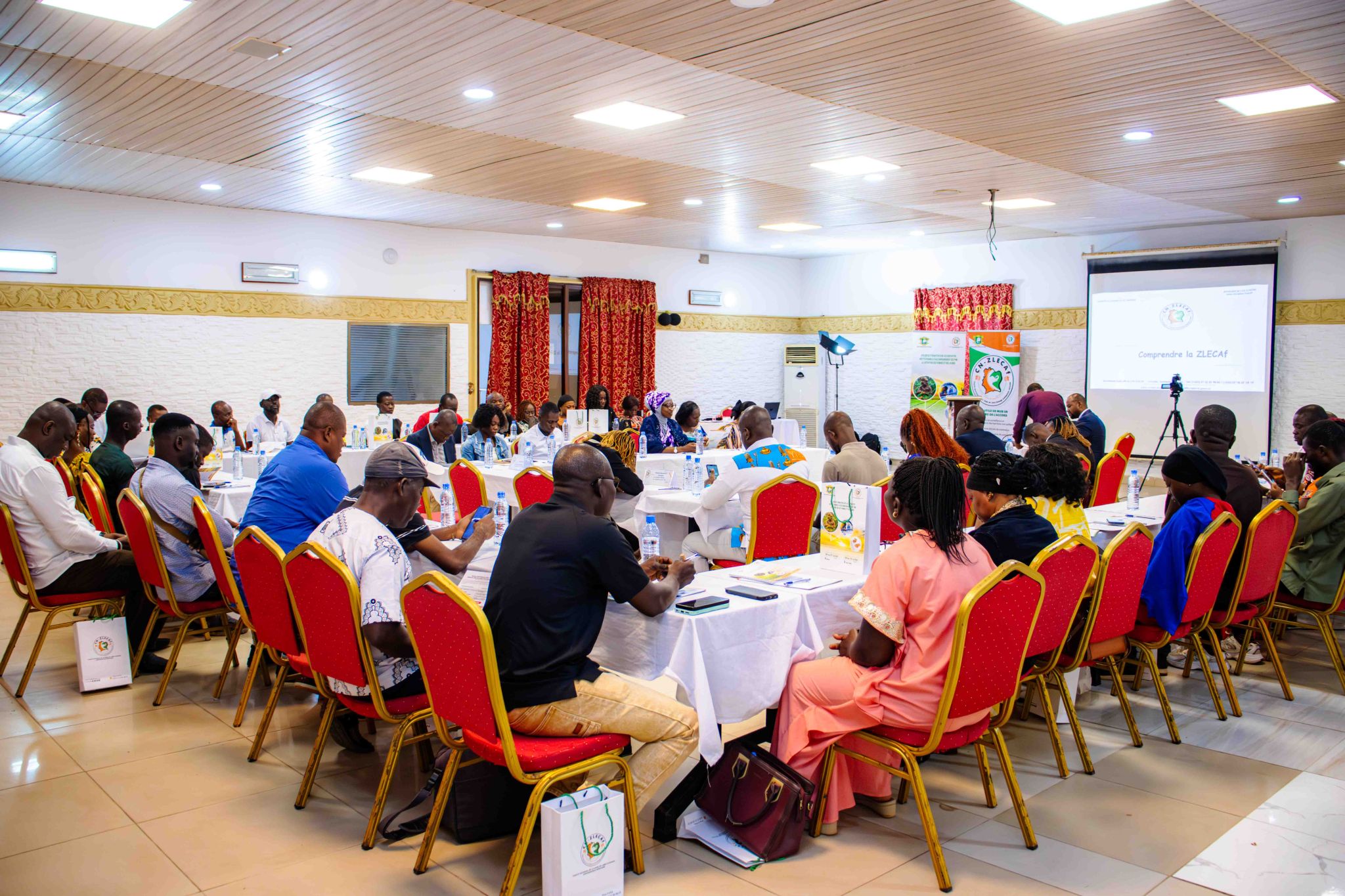
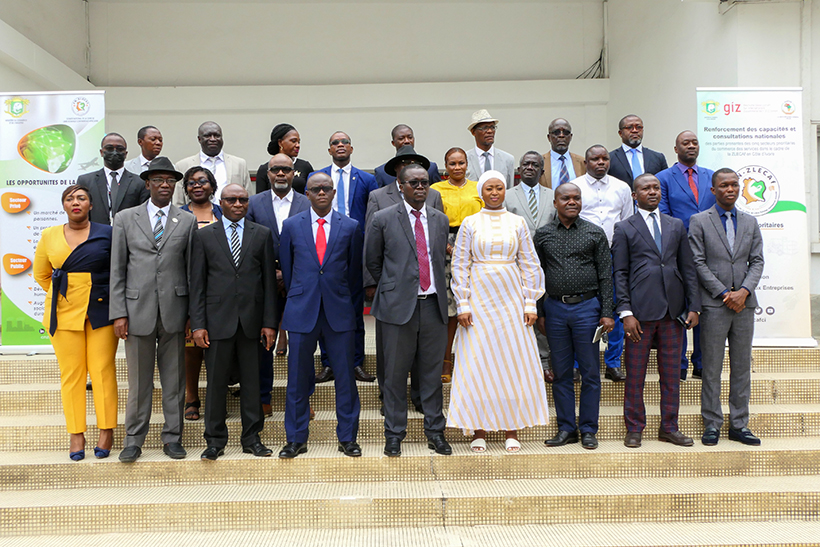
To this end, a final workshop focusing on capacity building and consultations with national stakeholders in the five priority sectors of trade in services under the AfCFTA began on Tuesday, 7 September 2021, at the Chamber of Commerce and Industry in Abidjan Plateau.
The AfCFTA entered its operational phase on 1 January 2021, which marked the effective start of trade and the commitment of member states to implement the agreement ratified by Côte d'Ivoire on 13 November 2018. Despite this progress, negotiations are still ongoing, particularly on the external trade protocol. This protocol aims to create a liberalised single market for trade in services through two main frameworks: one for the progressive liberalisation of service sectors and another for common regulatory disciplines.
The AfCFTA National Committee (AfCFTA-NC) has identified five priority sectors for negotiations on trade in services: finance, tourism, transport, communications, and business services.
Fatoumata Fofana, the Executive Secretary of the AfCFTA-NC, explained that the objective of the workshop is to consolidate the requests by service sector, using the initial offers already available, and put forward proposals that align with Côte d'Ivoire’s export interests. This process aims to facilitate the country's entry into the African market effectively.
This final workshop follows a national consultation held in February, which focused on preparing Côte d'Ivoire's trade in services requests, training stakeholders, and formulating new service sector requests, which commenced in August.
The representative of the Minister of Trade and Industry, Séka Guillaume, highlighted the importance of the workshop, noting that it would help participants understand the working approach used at the regional level. This knowledge would make it easier to formulate requests that both safeguard Côte d'Ivoire's interests and reflect the country’s aspirations in the field of trade in services.
Séka also noted that the single market offers a unique opportunity to advance economic integration at the continental level and develop trade within Africa, which, according to the African Development Bank (ADB), remains low at approximately 16%.
Technical assistance for this programme is being provided by the German development agency GIZ, which is helping Côte d'Ivoire prepare for the implementation of the AfCFTA agreement. GIZ partner Xavier Keller confirmed that this support is part of GIZ's mission to enhance trade and regional integration in Africa.
The AfCFTA aims to create a single market for goods and services that covers 1.2 billion people and boasts a combined Gross Domestic Product of three billion USD. This will be achieved through the gradual elimination of tariffs, the removal of non-tariff barriers, customs cooperation, the liberalisation of trade in services, and the development of shared African regulations on intellectual property rights, investment, competition, and e-commerce. The ambition of the AfCFTA is to transform Africa into a market of 2.5 billion people by 2050.
(AIP)