Producing is one thing, but knowing how to sell effectively is another. In Côte d'Ivoire, food processors often struggle to find markets for their products, both locally and internationally.
To address this challenge, the Support for the African Continental Free Trade Area (AfCFTA) project has been launched, aiming to facilitate access to national and international markets.
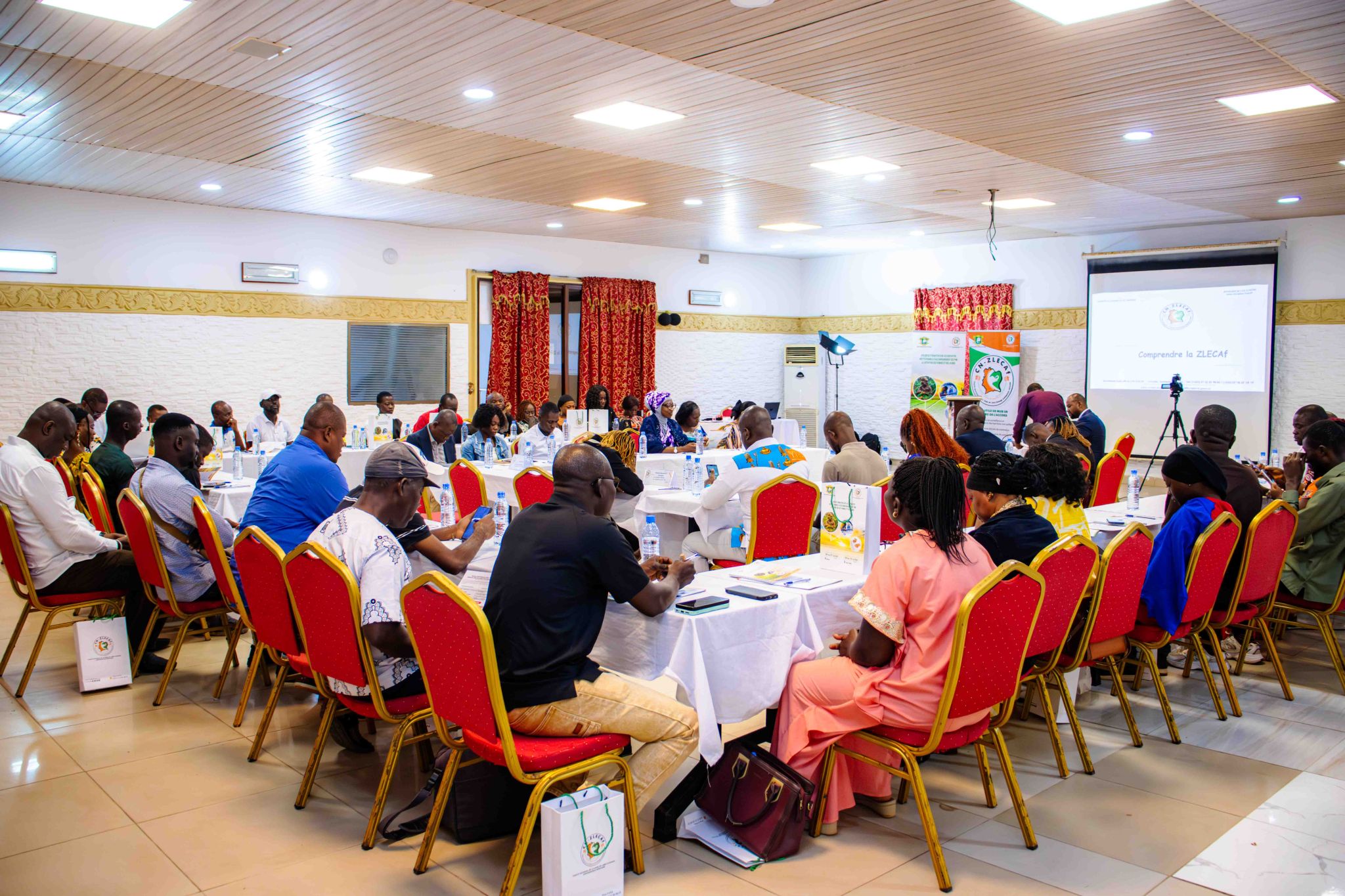
As part of the initiative, the German cooperation agency GIZ and the AfCFTA National Committee (AfCFTA-NC) have organized national consultations aligned with Côte d'Ivoire's national strategy to promote women's participation in trade.
The consultations provided an opportunity for women in the farming community to voice their challenges in trade and financing through focus groups. During these sessions, participants gained insights into international trade rules, the constraints and challenges faced in global trade, and strategies for overcoming obstacles.
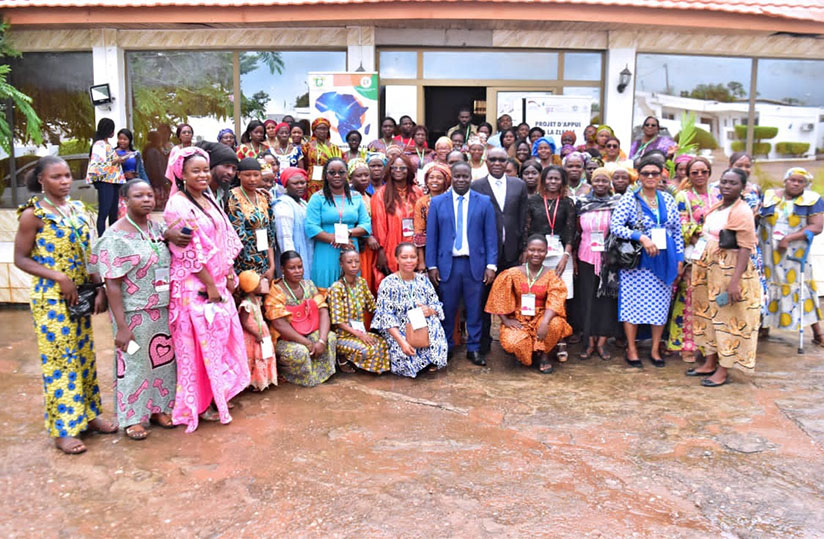
After an initial event in Abidjan in December 2021, a training session was organized in Bouaké on Wednesday, 24 August 2022. This session was part of the project’s capacity-building efforts aimed at equipping women processors with the skills needed to thrive in their ventures.
The training introduced participants to new knowledge, empowering them to be more dynamic and successful in their businesses.
“The focus groups enabled these brave women to formulate important recommendations on accessing support for using AfCFTA-NC texts, exploring market opportunities, and being included in professional networks and associations,” said Kouamé Edwige Adje, AfCFTA-NC Project Manager for Côte d’Ivoire.
According to her, the training was vital in enhancing the resilience of women food processors to sustain their operations and expand their reach.
"Our Heads of State have made decisions to support women, and these consultations are equipping women with the tools they need to refine their activities and become empowered," explained Astou Sy, Country Component Coordinator and GIZ Policy Advisor.
Côte d’Ivoire, known for its production of cocoa, cashew nuts, rubber, and oil palm, relies heavily on female farmers who play a pivotal role in the processing chain. This initiative not only strengthens their capabilities but also empowers them to contribute more effectively to the national and international markets.
Credit: Agridigitale