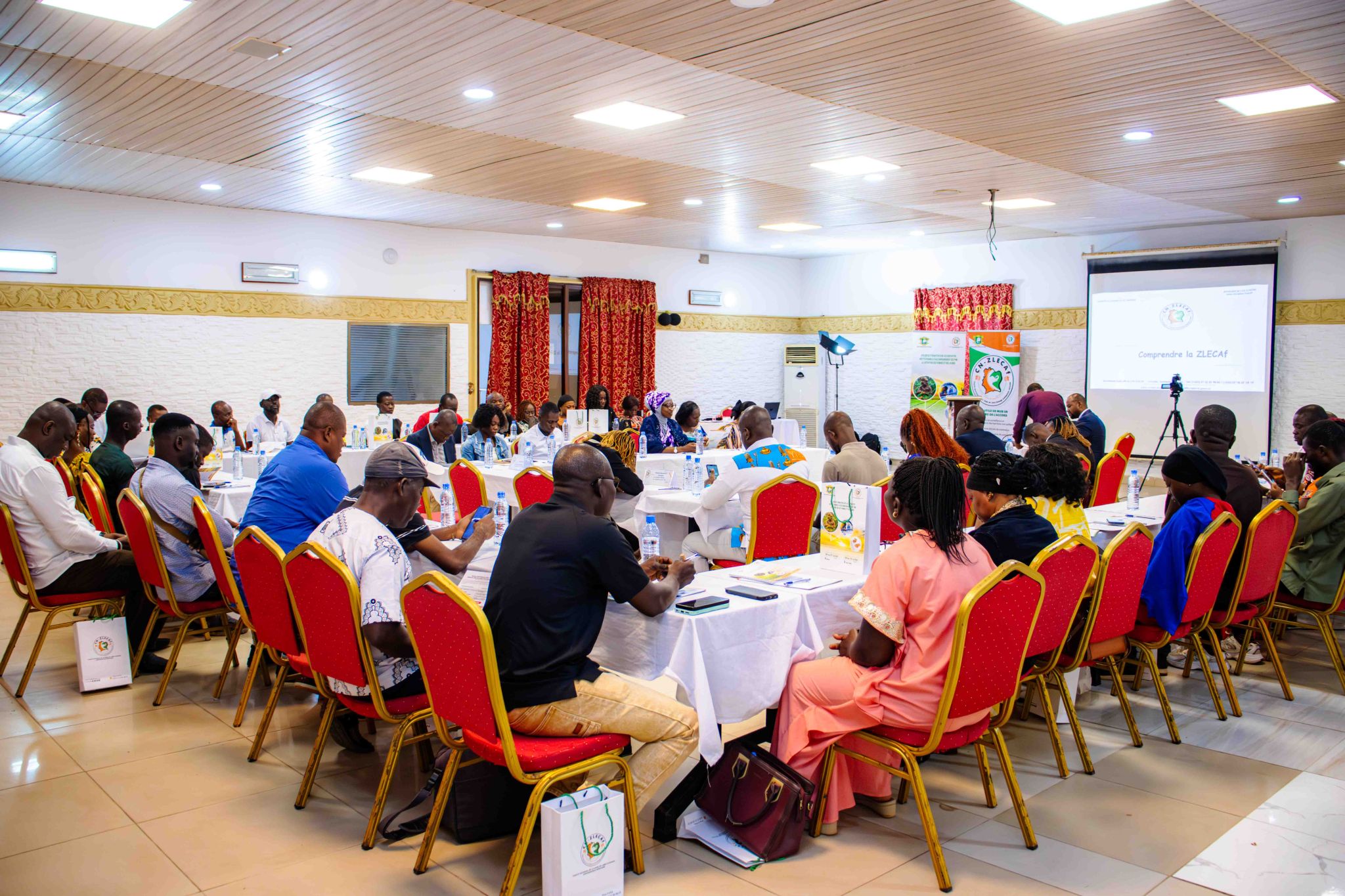
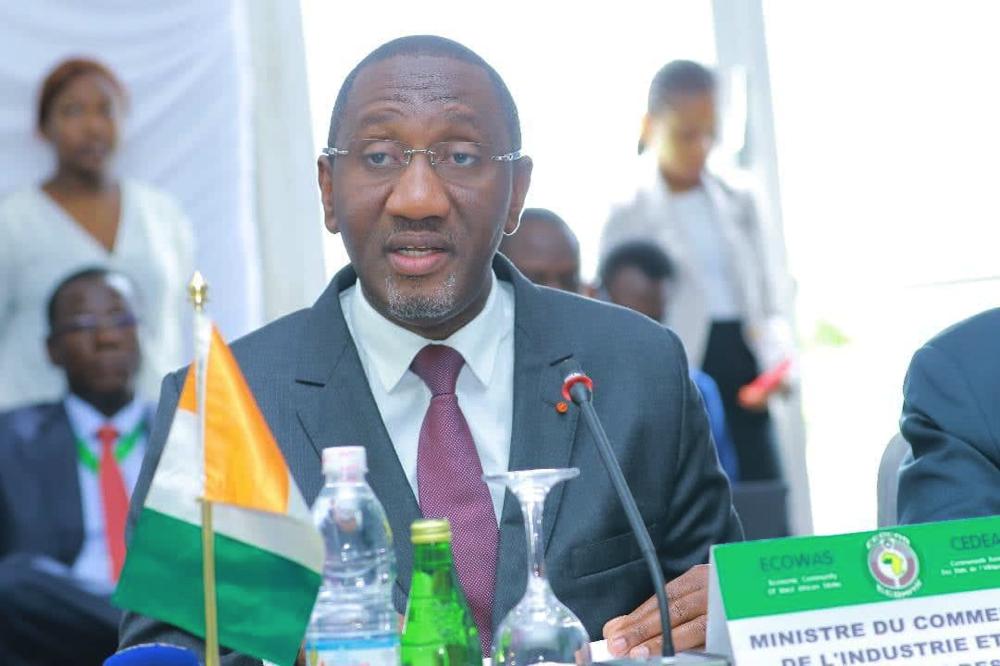
The 2nd meeting of Trade and Industry Ministers of the Economic Community of West African States (ECOWAS) was held on Thursday, 10 November 2022, at the Radisson Hotel in Abidjan. Chaired by Côte d’Ivoire's Minister of Trade, Industry, and SME Promotion, Souleymane Diarrassouba, the meeting focused on the implementation of the African Continental Free Trade Area (AfCFTA), industrialisation policy, and consumer protection.
Speaking at the event, Minister Souleymane Diarrassouba emphasized the importance of eliminating customs tariffs and non-tariff barriers to foster intra-African trade, which currently stands at only 12 to 15 percent of inter-African trade. This is significantly lower compared to internal trade levels on other continents, such as 50 percent within Asia and 70 percent within Europe.
“This is why the Regional Economic Communities are recognised as ‘blocks contributing to the creation of the AfCFTA. This free trade area complements the existing regional trade agreements,” he explained.
He further highlighted official projections indicating that the AfCFTA is expected to enhance the productive potential of businesses by 2023. These projections aim to increase intra-African trade flows from 15 percent to 50 percent of Member States’ total trade while creating over 2.3 million direct and indirect jobs.
Minister Diarrassouba reaffirmed Côte d’Ivoire’s active participation in Africa’s industrialisation efforts, which align with the African Union’s Agenda 2063. He reiterated President Alassane Ouattara’s ambition to accelerate the structural transformation of the Ivorian economy through industrialisation and the development of industrial clusters.
The Minister noted that the Ivorian Government is implementing a new industrial strategy under the 2021-2025 National Development Plan (NDP), valued at €90 billion (FCFA 59,000 billion). This strategy focuses on the development of seven industrial clusters: (i) Agro-industry, (ii) Chemicals and plastics, (iii) Construction materials, furnishings, and equipment, (iv) Pharmaceuticals, (v) Textiles, (vi) Packaging, (vii)Manufacture of spare parts, assembly, and fitting of specialised vehicles.
During the meeting, ministers also reviewed and amended reports presented by experts from ECOWAS countries.
Credit: Abidjan.net