


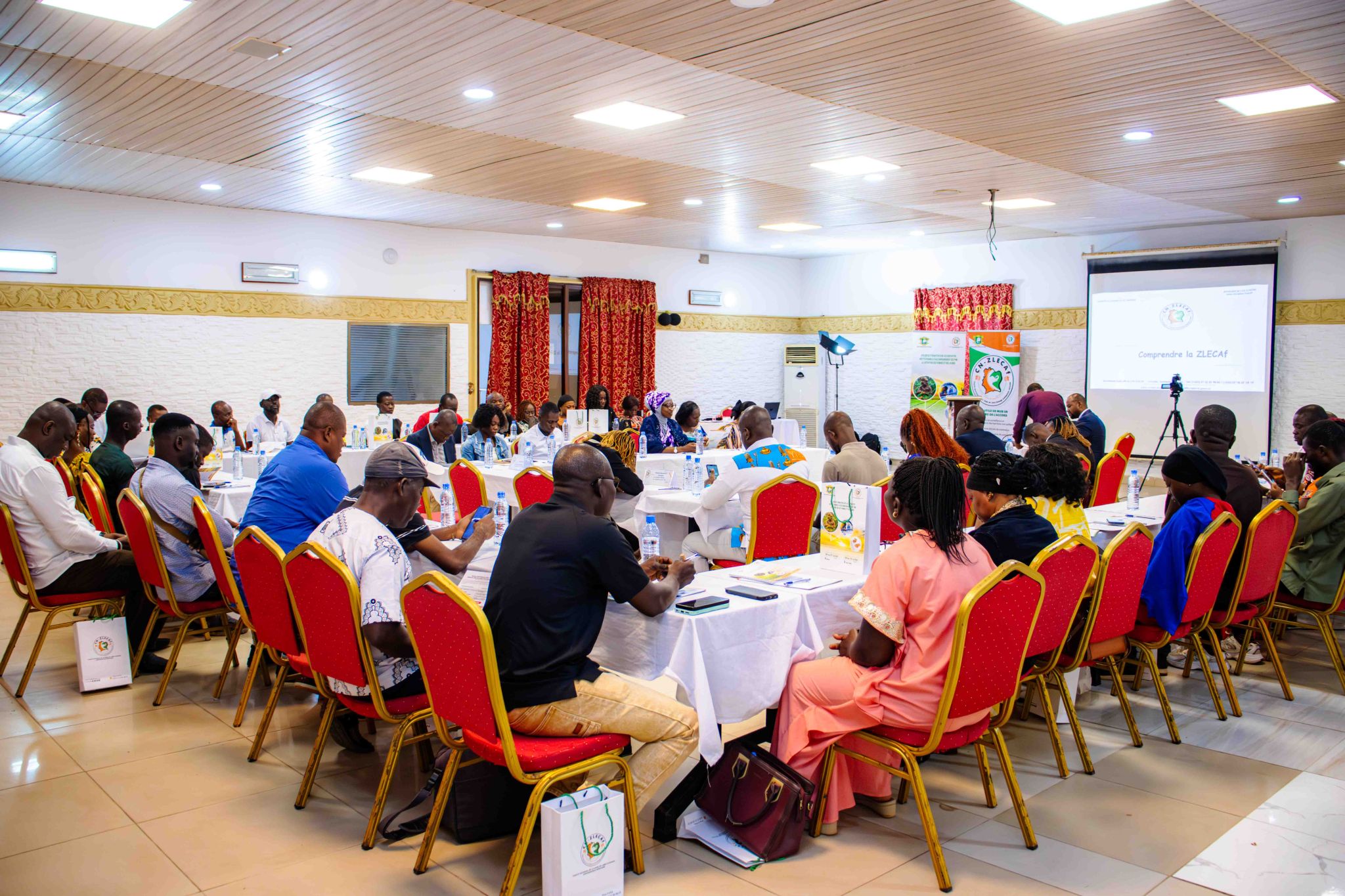

The African Continental Free Trade Area (AfCFTA) presents significant opportunities for both local and foreign investors, granting access to a vast consumer base whose spending is expected to reach $6.7 trillion by 2030, according to a report by the World Economic Forum (WEF).
The WEF report identifies four key sectors ripe for investment under the AfCFTA: the automotive industry, agriculture and agro-industry, the pharmaceutical industry, and transport and logistics. It emphasizes that the AfCFTA will not only boost intra-African trade but also drive structural transformation across African economies by fostering regional and local value chains. This will create new trade dynamics, providing businesses access to a unified market of 1.2 billion people.
In the automotive industry, production and trade volumes are set to expand significantly to meet the rising demand driven by increasing incomes across the continent. Africa’s automotive market, valued at $30.44 billion in 2021, is projected to grow to $42.06 billion by 2027. Currently, this demand is primarily met by imports of used vehicles. With the AfCFTA reducing tariffs on local inputs such as Mozambique’s aluminium and Côte d'Ivoire’s rubber, car manufacturers have the opportunity to establish assembly plants and serve a broader consumer base.
The agriculture and agro-industry sector is another high-potential area. Intra-African trade in agri-food products could increase by 574% by 2030 if customs duties are removed under the AfCFTA. This growth would unlock significant opportunities for companies operating in this space.
The pharmaceutical industry, too, offers promising prospects. The sector is expected to grow at an average annual rate of 5.13?tween 2022 and 2027. Africa currently houses 600 production sites for packaged medicines, though these are concentrated in just eight countries, accounting for 80% of the continent’s capacity.
Transport and logistics, a critical enabler of trade, will also experience a surge in demand. Currently, most intra-African exports are transported by land. The AfCFTA is anticipated to increase demand for intra-African freight by 28% by 2035, necessitating nearly 2 million trucks, 100,000 rail wagons, 250 aircraft, and over 100 ships to support this growth.
Credit:JDACI - Yvan AFDAL