

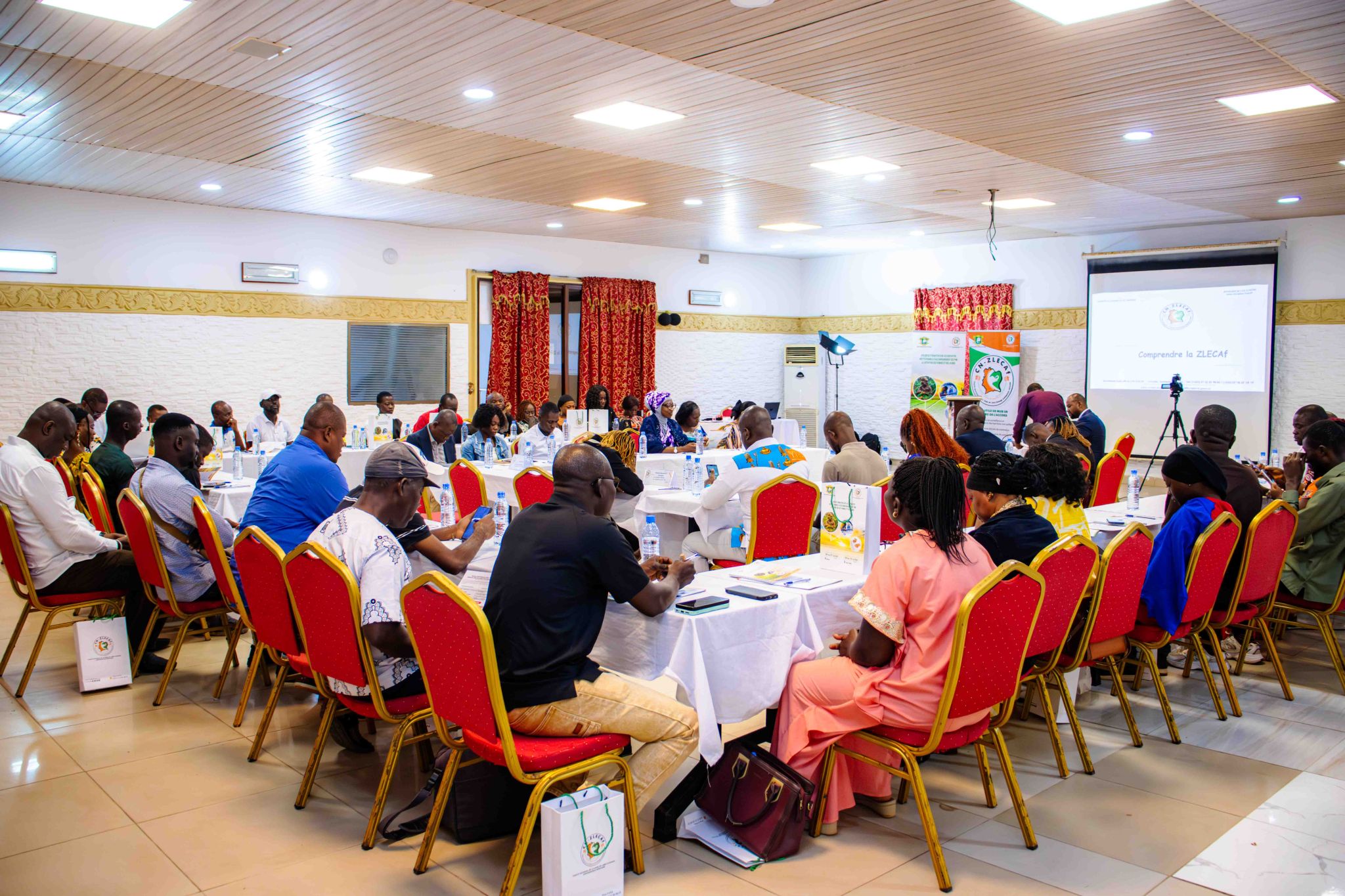
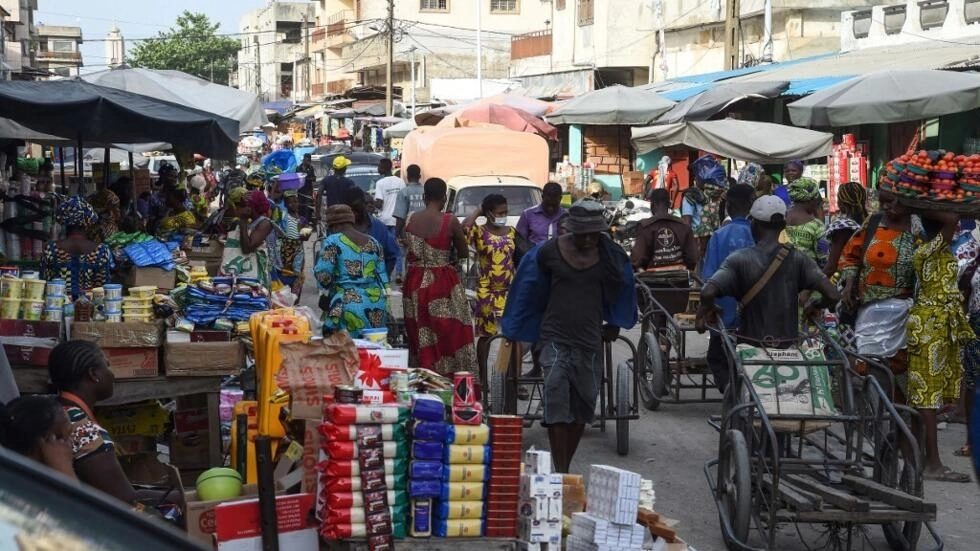
Is free trade the solution to food insecurity in Africa? This is the hope pinned on the African Continental Free Trade Area (AfCFTA). Recent global crises, such as the Covid-19 pandemic and the war in Ukraine, have highlighted Africa's over-reliance on imports, underscoring the urgent need for increased production and trade within the continent. This priority was strongly emphasized during the AfCFTA business forum held in Cape Town, South Africa, from 16 to 18 April.
From our Special Correspondent in Cape Town,
"The AfCFTA is an opportunity for Africans. Intra-continental trade in agricultural products could increase by 574% by 2030 if associated tariffs are removed." These are the ambitions of Wamkele Mene, Secretary-General of the AfCFTA, who urges his partners to learn from the crises the world is facing.
"The inflationary pressure caused by the current geopolitical context threatens food security in Africa. The overconcentration of supply chains in one or two regions of the world is to the detriment of Africa," he stated.
Facilitating Trade on the Continent
Producing locally and trading together could well be the slogan of the AfCFTA. By facilitating trade within the continent, the Free Trade Area aims to attract investors enticed by the idea of accessing a market of over one billion consumers.
This is the argument presented by Daniel Njiwa, a representative of the AGRA organization, which focuses on developing agriculture across the continent. "With this framework, we can even attract foreign investors," he explained. "Investors who want to meet Africa's demand for food. You may have heard this statistic before—we import nearly $100 billion worth of food. You can turn that statistic into an opportunity. Why can't we produce this food internally?"
For a Form of Continental Preference
The increase in agricultural production will have a positive impact, provided a form of continental preference is respected. This is the call from Rex Marfo, director of Abaso Cocoa Processing, a Ghanaian cocoa processing company.
"Supply your domestic market first, and then you can export. In Africa, we have very small farms, so it's essential to guarantee a market for farmers. This is what we do in Ghana with cocoa—if you produce it, you can be sure the government will buy it.", he explained.
Ultimately, the African Continental Free Trade Area should facilitate access to a wider range of food products that are more affordable and of better quality.
RFI